
Fjord & Fern shares practical, down-to-earth guidance on nordic-inspired slow living, coastal wellbeing and seasonal british food for readers across the UK.
- 0123456789
- Angle Bd Abdelmoumen & rue soumaya, Résidence
- [email protected]
Fjord & Fern shares practical, down-to-earth guidance on nordic-inspired slow living, coastal wellbeing and seasonal british food for readers across the UK.
 By Sophie Bramwell
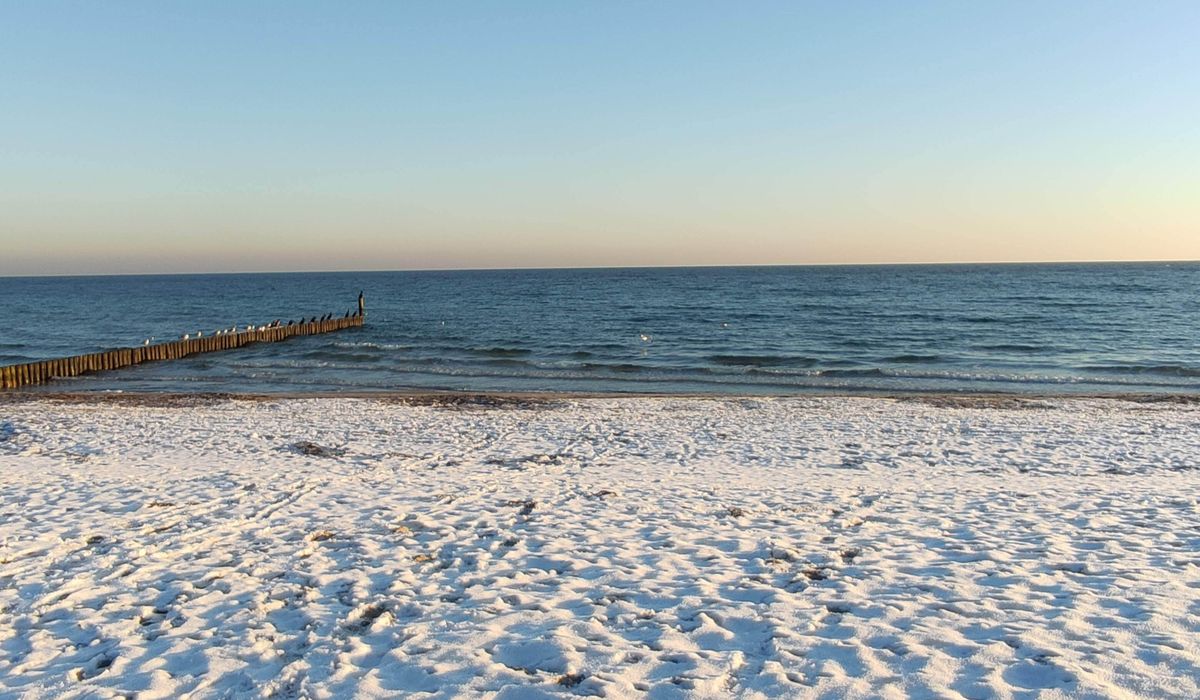
There is a particular kind of quiet that arrives about twenty minutes into a coastal branch line. The estuary widens, the hedgerows give way to salt marsh, and the urge to check your phone drains away with the signal. Arriving by train or bus puts you in a different relationship with the coast. You notice the gradient of the lane because you are walking up it. You hear the oystercatchers because there is no engine idling. And you can have a glass of something cold with your fish supper without appointing a designated driver.
Car-free weekends are not about hardship. They are about removing the faff — the parking charges, the narrow lanes, the three-point turns outside a village shop — and letting the timetable set a gentler rhythm. With a little planning, a Friday-to-Sunday break on the British coast by rail and foot is one of the most restorative trips you can take.
The single most useful decision you will make is to carry one bag. If it fits on your back, you can walk the last mile from the station, hop on a village bus, and climb the stile onto the coast path without a second thought.
Leave the wheeled suitcase at home. Cobbles, gravel paths and steep slipways are its natural enemies.
Cheap Advance fares are wonderful until your plans shift, at which point they become an expensive lesson in optimism. If you want a genuinely relaxed break, buy a flexible return, or pair an Advance single for the outward journey with an Off-Peak or Anytime ticket coming home. Regional rover tickets can be excellent value if you intend to potter between several stops over a few days.
Before you book accommodation, check the buses. Rural coastal services often run six days a week, with a sparse or non-existent Sunday timetable, and many stop by early evening. Bank holidays can follow a Sunday service too. Download timetables and a tide table to your phone before you travel, because clifftop signal is unreliable, and screenshot the key pages. Book somewhere with free cancellation so a weather change or a rail replacement bus does not trap you.
Resist the temptation to tick off three resorts in two days. Pick one base with four things within walking distance: a shop, a pub, a bus stop and a footpath. Ideally, the station is a mile or two away, giving you a gentle warm-up walk with your pack on arrival.
Two nights in one place is enough to settle in properly. You will learn when the bakery opens, where the harbour wall catches the evening sun, and which stretch of beach is quietest at high tide. That familiarity is the whole point of slow travel.
British coastal food has a calendar, and travelling without a car makes you follow it more closely. Mussels and oysters are at their best in the months with an R — September through April. Samphire appears in June and lasts until late August; serve it simply, steamed with butter. Mackerel is at its finest in high summer, grilled within hours of being landed. Crab is a spring and early-summer joy, and sea beet and sea kale reward a spring forage along the tideline.
Shop as you go: the harbour fishmonger, the honesty box of new potatoes, the village shop selling laverbread or local cheese. Buy only what you can cook that evening — a pot of mussels with cider and cream, a loaf, a bag of salad — and eat it somewhere with a view. In autumn, hedgerow blackberries cost nothing but the scratches.
Treat the return leg as part of the break rather than a dash to beat. Leave a generous buffer between your last walk and your train, pack a picnic for the platform, and resist the urge to book the tightest connection. If the tide and the timetable allow, a final swim before you leave is the best possible full stop. You will arrive home sandy, slightly salty and considerably calmer — with no parking ticket to pay and nothing to unpack but a rucksack.


We are not gonna make spamming
