
Fjord & Fern shares practical, down-to-earth guidance on nordic-inspired slow living, coastal wellbeing and seasonal british food for readers across the UK.
- 0123456789
- Angle Bd Abdelmoumen & rue soumaya, Résidence
- [email protected]
Fjord & Fern shares practical, down-to-earth guidance on nordic-inspired slow living, coastal wellbeing and seasonal british food for readers across the UK.
 By Eleanor Hartley
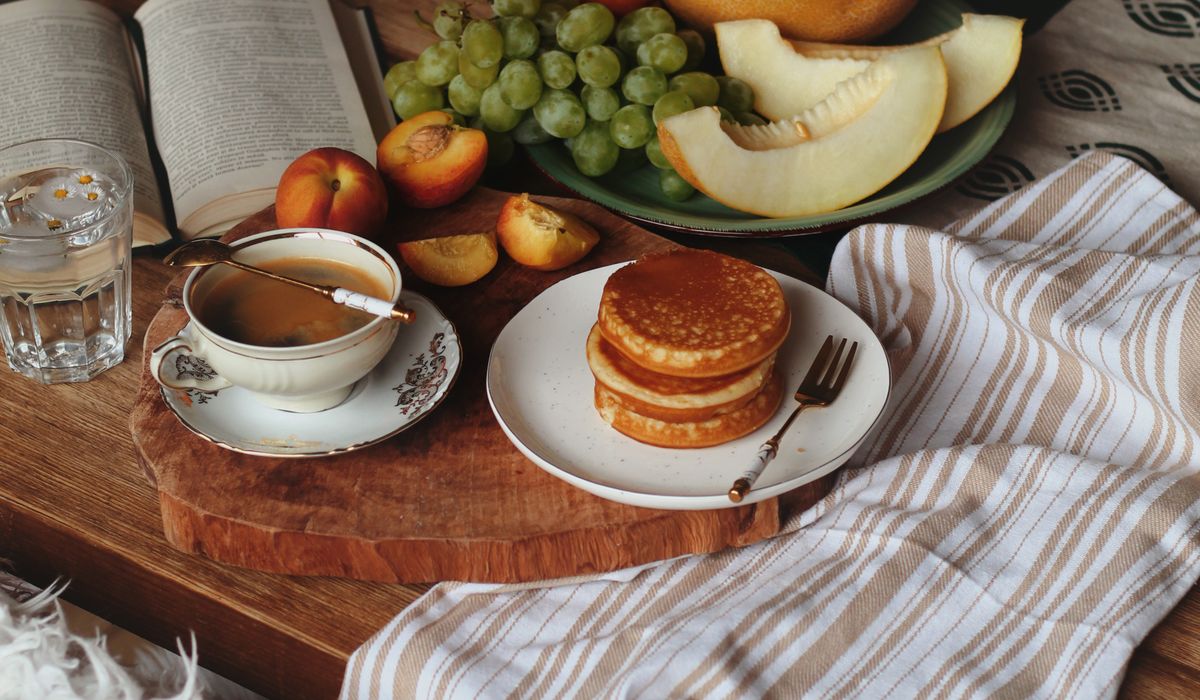
The Scandinavian approach to a calm home begins not with a skip and a weekend of chaos, but with the surfaces you touch every day. Think of the kitchen worktop, the hallway console, the bedside table, the bathroom shelf. These are the places your eyes rest on dozens of times a day, and they set the emotional temperature of the room long before you notice anything else.
Choose one surface. Clear it completely, then put back only what you used in the last fortnight. On a kitchen worktop, that might be a kettle, a chopping board and a single jar of good salt. On a bedside table, a lamp, a book and a glass of water. Everything else — the post, the chargers, the half-finished packet of seeds — goes where it actually belongs, or leaves the house. Aim for three objects per surface. That is usually enough.
Nordic homes are not empty, they are edited. The distinction matters. Nothing is kept simply because it has always been there, and nothing is thrown out in a fit of temper either. Ask three questions of every object in a cluttered room:
Keep the things that are beautiful and used daily — a wooden spoon worn smooth, a wool throw, a good knife. Those objects carry the warmth that stops simplicity tipping into coldness.
Empty space is not wasted space. In a Scandinavian room, the wall above a sofa, the floor beneath a window and the gap between a chair and a fireplace are all doing a job. They give the eye somewhere to rest, and they make the objects you have chosen look deliberate rather than accidental.
In practice, this means leaving one wall bare in the living room, keeping the windowsill clear of anything taller than a small plant, and resisting the urge to fill a corner just because it is there. Negative space also makes a small British room feel larger — useful in a Victorian terrace or a flat with low ceilings. If you are unsure, take things away until it feels slightly too sparse, then add one object back. That is usually the right balance.
Coastal homes have their own rules, and they are good ones for anywhere. Sand, salt and wet dogs punish clutter in ways a city flat never will. Use that as your guide.
This is the quiet reward. Clear surfaces take a cloth and forty seconds. A floor with nothing on it can be hoovered or swept in one pass, rather than navigated like an obstacle course. Dust has nowhere to hide, which matters more than ever in a seaside home where windows are open and salt air carries grit indoors.
Aim for a daily reset of five minutes in the kitchen and hallway, a weekly wipe of every clear surface, and a seasonal deep clean that coincides with changing the lighter blankets for heavier ones. Because you own less, each task is shorter, and the house stays ready for guests, sandy feet and sudden weather.
Slow living is not a style you buy, it is a rhythm you keep. Scandinavian homes shift with the year: brighter linens and open windows in June, candlelight, wool and darker textiles in November. Let your surfaces follow. In summer, a bowl of British strawberries and a jug of flowers. In autumn, a single squash, a jar of chutney, a few foraged leaves.
Then stop. One seasonal gesture per room is enough. The point of decluttering with Scandinavian simplicity in mind is not to create a showroom, but to remove everything that competes with the small, useful, lovely things you actually live with — and to leave room, quiet and clean air for the rest.


We are not gonna make spamming
