
Fjord & Fern shares practical, down-to-earth guidance on nordic-inspired slow living, coastal wellbeing and seasonal british food for readers across the UK.
- 0123456789
- Angle Bd Abdelmoumen & rue soumaya, Résidence
- [email protected]
Fjord & Fern shares practical, down-to-earth guidance on nordic-inspired slow living, coastal wellbeing and seasonal british food for readers across the UK.
 By Eleanor Hartley
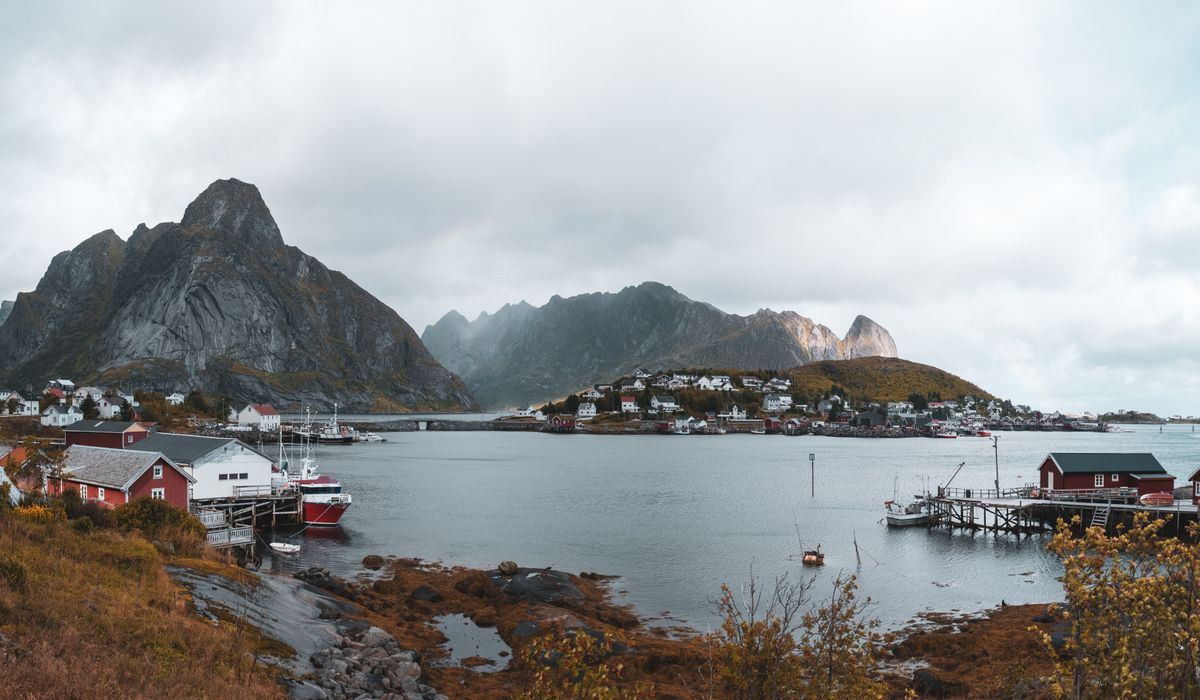
There is a quiet kind of luxury in a morning that does not begin with a jolt. In the Nordic countries, where winter light arrives late and lingers low, the first hour of the day has never been treated as a race. It is treated as a threshold — a soft, dim space between sleep and the demands of the world. You do not need a fjord outside your window to borrow that rhythm. You need a little intention, a warm drink, and permission to move slowly.
The goal is not to become a person who rises at five and runs five miles before breakfast. It is to reduce the friction of waking, so that the day unfolds rather than crashes into you. Gentle is the point, not early.
Before you reach for a screen, reach for warmth. Put the kettle on before you do anything else — the sound of it is its own small signal that the day has begun. Choose a mug that feels good in your hands. If you drink coffee, make it slowly; if you prefer tea, try something like a loose-leaf Assam, or a rooibos with a slice of orange.
Keep the lighting low for the first twenty minutes. A single lamp, a candle, or the pale grey of an early British morning is plenty. Overhead lights announce urgency; lamplight suggests there is time.
Journaling does not need to be a project. Three sentences is a routine; three pages is a hobby. Keep a notebook and pen somewhere visible — on the arm of a chair, on the kitchen table — so that writing costs you nothing but the time. Some useful prompts, if a blank page feels heavy:
If writing is not for you, sit with your drink and do nothing at all. Stretch your neck and shoulders. Watch the sky change. In the Nordic spirit of morgenstund har guld i mund — the morning hour has gold in its mouth — the value lies in the stillness, not the productivity.
Coastal wellbeing is mostly about rhythm and breath: the slow in-and-out of tides, the long view of a horizon, the bracing quality of salt air. You can invite a little of it indoors. Open a window for five minutes, even in February, and let the cold air move through. Play a recording of waves, or simply listen to the rain. Keep a bowl of sea salt or a smooth pebble on the windowsill, not as decoration but as a small reminder to breathe out for longer than you breathe in.
If you live near the sea, a ten-minute walk before breakfast is worth more than an extra hour in bed. If you do not, a cold rinse on your hands and face at the sink does something similar — it wakes the skin without startling the mind.
British seasonal eating in the morning is easy if you keep it simple. Porridge made with whole oats, cooked gently and finished with a spoon of honey and a handful of frozen berries, is a January staple. In late spring, swap the berries for rhubarb stewed with a little orange zest. In autumn, grated apple and a pinch of cinnamon. Through winter, a slice of toasted soda bread with butter and marmalade will do very nicely.
Eat at the table, not standing up. Put the phone in another room. Two minutes of chewing properly is a small act of respect for the food and for yourself.
The gentle morning ends when you decide it ends. Before you open your inbox, decide what the first task of the day will be — write it on a sticky note the night before. Keep notifications off until you have finished your drink. If you live with other people, agree a quiet half-hour: no radio, no questions about whereabouts, just the shared hum of the kettle and the clink of spoons.
Some mornings will not go to plan. A child will wake early, a train will be missed, a dog will need walking in the rain. That is fine. The routine is not a rule; it is a direction. Return to it tomorrow, gently, the way you would return to the shore after the tide has gone out.


We are not gonna make spamming
