
Fjord & Fern shares practical, down-to-earth guidance on nordic-inspired slow living, coastal wellbeing and seasonal british food for readers across the UK.
- 0123456789
- Angle Bd Abdelmoumen & rue soumaya, Résidence
- [email protected]
Fjord & Fern shares practical, down-to-earth guidance on nordic-inspired slow living, coastal wellbeing and seasonal british food for readers across the UK.
 By James Whitcombe
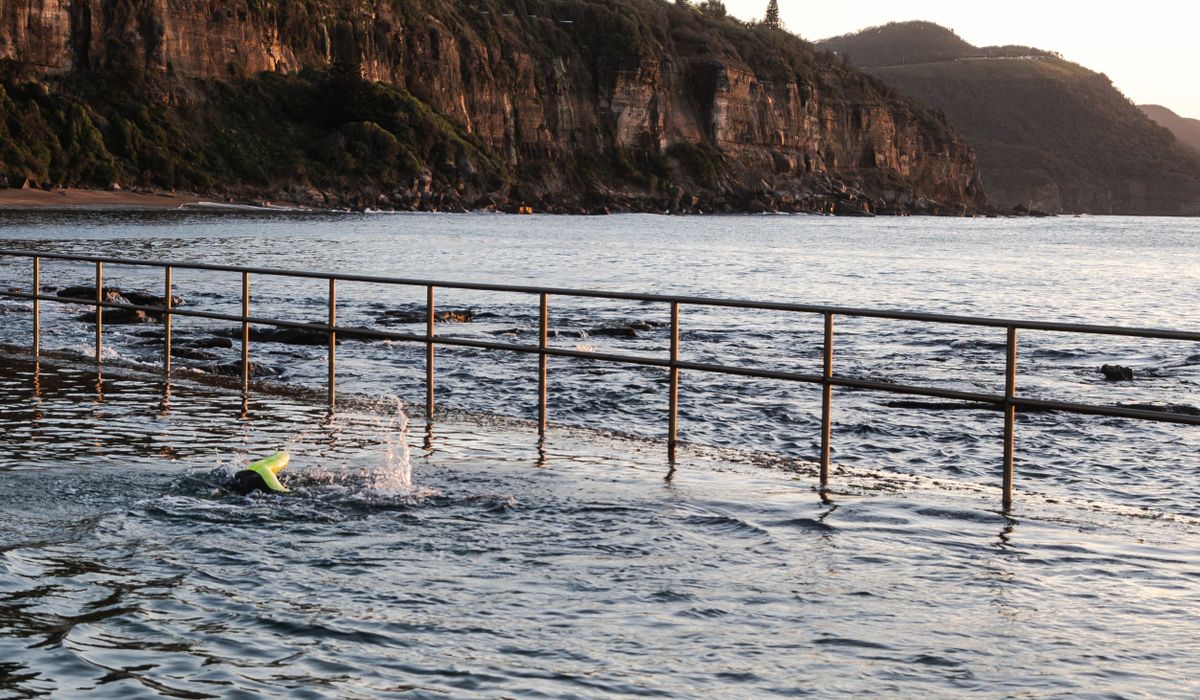
British weather rarely respects a plan. You set off under pale sunshine, reach the coast path, and within twenty minutes the wind has turned salt-sharp and rain is tapping your hood. Nordic-inspired slow living offers a gentle answer: instead of fighting the forecast, dress in adaptable layers and carry only what earns its place. The aim is not to be ready for everything, but to be comfortable in anything — without a shoulder bag that pulls at your neck by lunchtime.
Think of your clothing as a small, movable home. A base layer, a mid-layer, a shell, and shoes that can handle wet grass. Everything else is a luxury you can leave behind. This is friluftsliv in practice: simple, seasonal, and open to whatever the sky decides.
Cotton is the enemy of changeable weather. It holds dampness against your skin, chills you when the wind picks up, and takes hours to dry. Choose a merino wool or synthetic base layer instead. Merino regulates temperature, resists odour, and feels warm even when slightly damp — ideal for coastal walks where sea mist and sudden showers are part of the scenery. One short-sleeved and one long-sleeved base layer will cover most of the year, layered with a light fleece in cooler months.
For slow living, comfort matters more than technical jargon. A soft, close-fitting base layer that doesn't bunch under a waterproof is worth more than a drawer full of complicated kit.
Your mid-layer is your warmth. A thin fleece, a lightweight insulated jacket, or a wool jumper traps heat without bulk. In summer, a cotton-blend overshirt or linen shirt can be enough. In winter, add a second thin layer rather than one thick one; you can remove a layer when you climb a hill and add it back when you stop for a flask of tea.
The outer shell is where British weather meets its match. Look for a waterproof jacket with taped seams, an adjustable hood, and pit zips for ventilation. It should fold into its own pocket and weigh almost nothing in your bag. Add lightweight waterproof trousers if you plan to walk across open moorland or along an exposed coast path; they take up little space and turn a soggy trudge into a pleasure. Avoid heavy, unbreathable coats. You want to walk, not rustle.
Comfortable shoes are the foundation of any slow day out. For coastal paths, trail shoes or light walking boots with a grippy sole and a waterproof membrane work well. They handle wet stones, muddy field edges, and sandy tracks without weighing you down. In warmer months, a pair of quick-drying sandals with a secure heel strap can be liberating for beach walking and paddling, but keep a pair of wool socks in your bag for when the wind turns.
Whatever you choose, break them in before a long walk. Blisters are the quickest way to end a slow-living idyll. A small tin of balm or a couple of plasters in your bag is sensible, not fussy.
Your shoulder bag should feel light enough to forget. Start with the essentials, then add seasonal extras:
The Nordic approach is to carry less, but carry well. One good merino buff can be a scarf, a headband, or an ear warmer. A lightweight sit mat turns a damp log or cold stone into a comfortable perch. These small things make the difference between enduring the weather and enjoying it.
Seasonal British food is the natural companion to slow, weather-wise days. In spring, pack wild garlic, radishes, and young spinach with oatcakes and a sharp British cheese. Summer calls for tomatoes, cucumber, strawberries, and a pork pie or vegetable pasty from a local bakery. Autumn brings apples, blackberries, cobnuts, and squash; winter is for root vegetables, kale, mussels, and a flask of soup made with leeks and potatoes.
Keep it simple. A small enamel mug, a bar of dark chocolate, and a handful of dried apple rings can feel like a feast when you are sitting on a dune watching the light change. Buy from farm shops and market stalls when you can; the food tastes of the place and the season, which is the whole point.
Changeable weather is not an obstacle to wellbeing; it is an invitation to pay attention. Put on your layers, step outside, and adjust as you go. If the sun comes out, peel off your shell and sit for a while. If the rain arrives, pull up your hood and keep walking. The coast in wind, the smell of wet gorse, the warmth of a flask in cold hands — these are small, ordinary pleasures that slow living teaches us to notice.
Pack light, choose well, and let the British sky lead. You will come home tired in the best way, with sand in your shoes and a quiet sense of having moved at the speed of the season.


We are not gonna make spamming
