
Fjord & Fern shares practical, down-to-earth guidance on nordic-inspired slow living, coastal wellbeing and seasonal british food for readers across the UK.
- 0123456789
- Angle Bd Abdelmoumen & rue soumaya, Résidence
- [email protected]
Fjord & Fern shares practical, down-to-earth guidance on nordic-inspired slow living, coastal wellbeing and seasonal british food for readers across the UK.
 By James Whitcombe
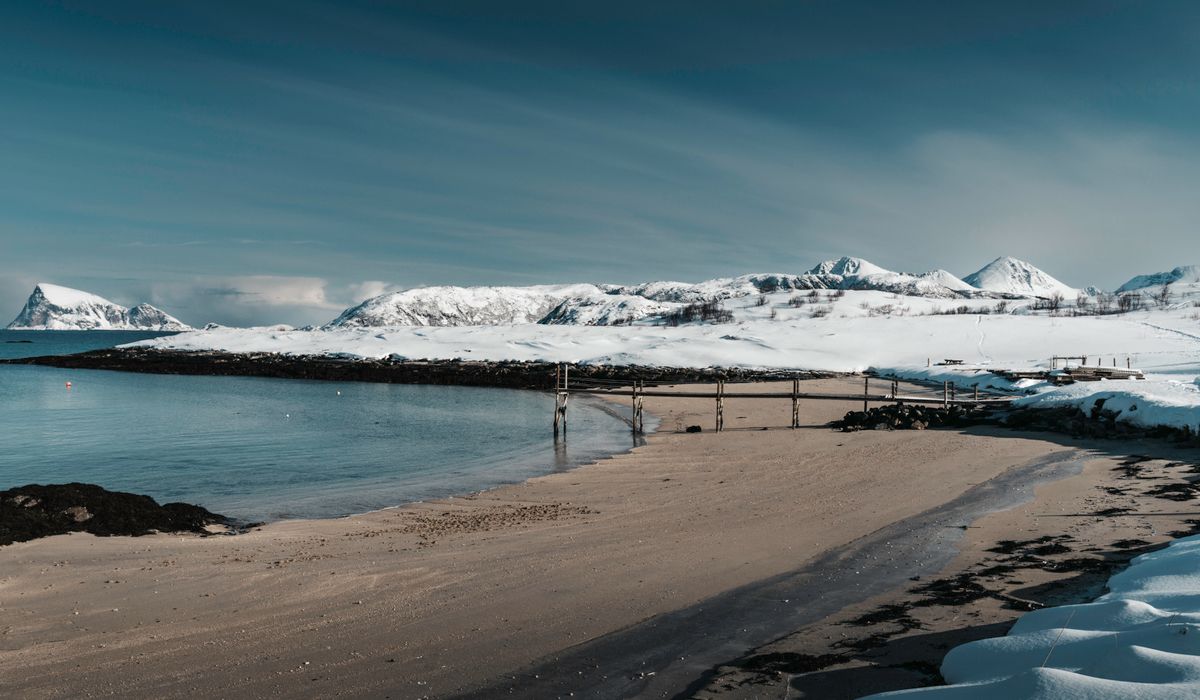
Nordic-inspired slow living begins before you take a single step. On a windswept coastal path, the temptation is to march — head down, hood up, ticking off the miles. Instead, arrive five minutes early and simply stand. Let the wind find the gaps in your clothing. Notice how the air tastes of salt and cold mineral. This first pause is your invitation to shift from doing to noticing, from pace to presence. It is a small act of friluftsliv — open-air living — that asks nothing of you but attention.
Choose a short stretch of coast you know well, or one you can explore without a fixed destination. The aim is not distance but depth. A mile walked with your senses wide open will restore you more than five miles walked on autopilot.
Once you begin walking, let your breath set the rhythm. Coastal air is rarely still, and that movement is a gift. Try a simple four-part breath: inhale for four steps, hold for four, exhale for four, hold for four. If the wind snatches your breath, shorten the count. The point is not perfection but noticing — the cool rush at the back of your throat, the faint metallic tang of sea spray, the way your ribs expand against a gust.
As you walk, name what you smell. Wet sand. Rotting seaweed. Gorse in bloom. These scents are seasonal signposts, and they anchor you in the present far more effectively than any app. If your mind drifts to emails or errands, return to the next inhale. The wind will help. It is impossible to stay lost in thought when salt air is polishing your face.
Underfoot, a coastal path is never silent. Loose shingle shifts and clicks with each step. Flint and chalk crunch. On a pebble beach, the sound is a thousand tiny collisions, like distant applause. Let that sound become a meditation. Notice how the pitch changes when you move from stone to sand, from boardwalk to grass. Each surface offers a different footfall, and each footfall is a small reminder that you are here, now, on this edge of the country.
Then lift your attention to the waves. Listen for the long draw and crash, the pause between sets. Count the seconds between the loudest breakers. You will soon hear patterns: a trio of big waves, then a lull. Gulls cry, oystercatchers pipe, and in winter the wind carries the low rumble of surf from beaches you cannot see. This is the soundscape of coastal wellbeing — not silence, but a vast, rhythmic company that asks nothing of you.
Slow living is not only about the walk; it is about what you carry and what you notice. A flask of hot soup or tea turns a windswept bench into a moment of hygge. But let the season guide you. British coastal larder is generous if you know what to look for — and even if you only look, the noticing is nourishment.
You do not need to forage to practise this. Simply naming what is in season — even from a local shop or your own kitchen — ties your walk to the wider year. A coastal path in February is not the same as one in July, and your body knows it.
End your walk before you are exhausted. Find a sheltered spot — a wall, a dune, a hollow in the gorse — and sit for five minutes. Close your eyes if you like, or watch the horizon. Notice the warmth returning to your hands. Notice the salt drying on your skin. This is the quiet close of a slow walk: not a workout logged, but a nervous system soothed.
If you keep a notebook, jot down three things you noticed: one sound, one smell, one shift underfoot. Over weeks, these notes become a record of your coast in all its moods. And on days when you cannot walk, you can read them and feel the wind again. That is the real reward of mindful walking on windswept paths — a practice you can carry inland, into any ordinary afternoon, simply by remembering the salt air and the shifting stones.


We are not gonna make spamming
