
Fjord & Fern shares practical, down-to-earth guidance on nordic-inspired slow living, coastal wellbeing and seasonal british food for readers across the UK.
- 0123456789
- Angle Bd Abdelmoumen & rue soumaya, Résidence
- [email protected]
Fjord & Fern shares practical, down-to-earth guidance on nordic-inspired slow living, coastal wellbeing and seasonal british food for readers across the UK.
 By James Whitcombe
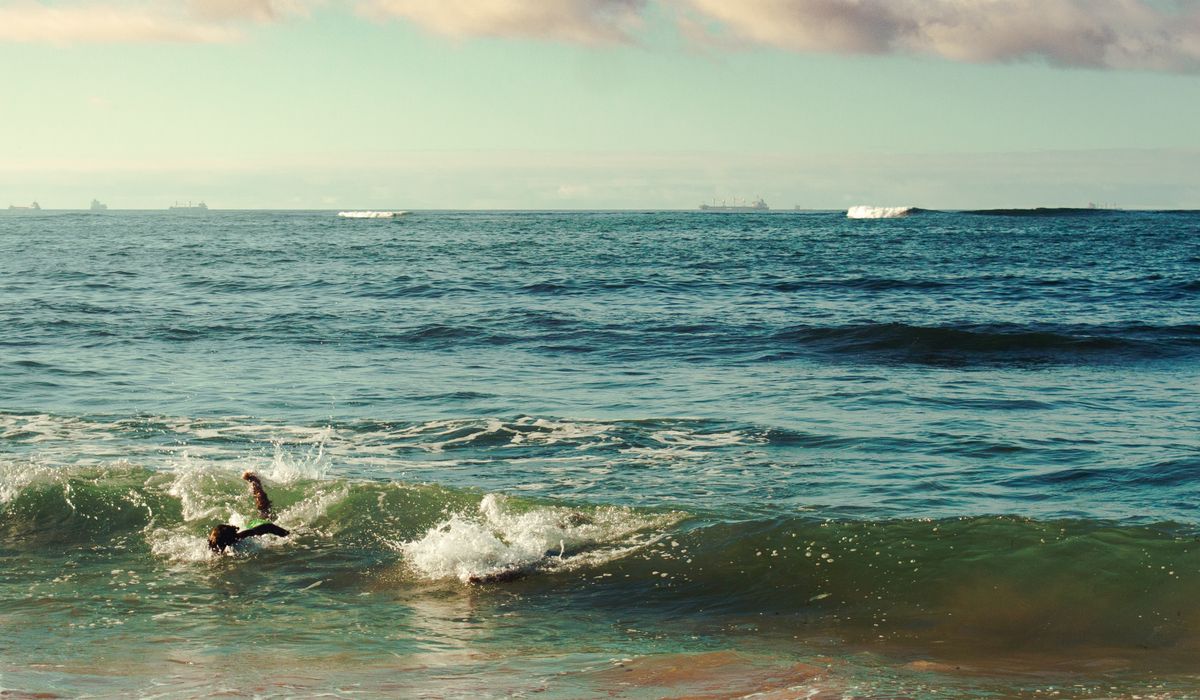
There is a quiet rhythm to dyeing with plants you have gathered yourself. It asks you to walk a shoreline at low tide, to notice the first gorse flowers opening on a windy clifftop, and to stop rushing. This is Nordic-inspired slow living in a very British setting: a basket, a flask, and a stretch of coast. Coastal wellbeing is not about doing more; it is about doing one thing properly. Natural dyeing rewards that approach. You are not aiming for factory-perfect colour. You are making soft, living shades that carry the weather and the season in them. And because you are working with foraged plants, safety and responsibility matter as much as the final result.
Before you pick a single leaf or frond, treat the coast as a shared larder. Take less than you think you need, and always leave the plant healthy enough to grow back.
Seaweed, gorse and nettle are generous teachers for beginners. Each gives a different palette and a different lesson in patience.
Safety first. Keep a dedicated dye pot, spoon and sieve that are never used for food. Work in a well-ventilated room or outdoors, wear gloves and an apron, and keep children and pets away from hot pots and mordant powders. Mordants help the colour bind to the fibre. Alum is the safest and most common for home dyers; iron saddens colours but should be used sparingly, as it can weaken fibres over time. Always test small samples before committing a whole garment or precious fleece.
Natural colour is never an exact science, which is part of its charm. Seaweed often gives muted greens and tans on wool, with a faint pink from dulse if you are lucky. Gorse flowers yield a clear, sunny yellow that can become a deeper olive with an iron afterbath. Nettle gives a soft, grassy green that turns grey-green with iron. You can also shift shades with simple pH modifiers: a splash of vinegar can brighten some dyes, while a pinch of soda ash can deepen others. Add these in tiny amounts to separate sample jars, never to the main pot. Wool and silk take colour most readily; cotton and linen need a tannin pre-treatment, such as a strong tea bath, to hold the dye well.
Dyeing by the seasons is a gentle way to mark the year. Spring is for nettle tops and gorse flowers. Late summer brings more gorse and the first seed heads. Autumn and winter are for seaweed after gales, when the shore is littered with fronds and the light is low and silver. Pair your dyeing days with simple seasonal British food: a flask of nettle soup, a gorse cordial, or warm bread with seaweed butter. The point is not to produce a perfect wardrobe. It is to spend a few hours moving slowly, noticing the coast, and making something soft and useful from what the season offers. Start with one small sample, keep notes, and let the colours teach you.


We are not gonna make spamming
