
Fjord & Fern shares practical, down-to-earth guidance on nordic-inspired slow living, coastal wellbeing and seasonal british food for readers across the UK.
- 0123456789
- Angle Bd Abdelmoumen & rue soumaya, Résidence
- [email protected]
Fjord & Fern shares practical, down-to-earth guidance on nordic-inspired slow living, coastal wellbeing and seasonal british food for readers across the UK.
 By Eleanor Hartley
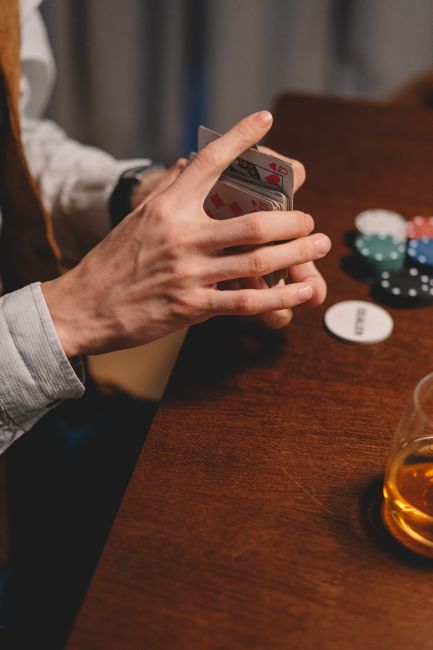
Walk into any casino in Macau, Vegas, or just open an app on your phone, and you'll see the same thing: people chasing something. Maybe it's a jackpot. Maybe it's the perfect bluff. Maybe it's just the thrill of not knowing what the next card holds. The iGaming world has exploded into a multi-billion dollar industry, and whether you're spinning slots at 2 AM or grinding poker tournaments on a weekend, there's a psychological pull that's hard to explain to outsiders.
But here's the thing—most people do it wrong. They treat gambling like a lottery ticket instead of what it actually is: a game of decisions, probabilities, and sometimes, pure entertainment. Let's break down what separates casual players from those who actually understand the ecosystem.
Let's start with the elephant in the room. Slots get a bad reputation among "serious" gamblers. Poker players smirk at them. Sports bettors call them mindless. But slots are the backbone of the iGaming industry for a reason—they're simple to understand and, when played correctly, they can stretch your bankroll for hours.
Here's what most people don't realize: modern video slots aren't random in the way you think. Each game has a Return to Player (RTP) percentage, usually between 92% and 97%. That means over millions of spins, the casino keeps a small slice. But in the short term? Volatility is everything.
My advice? Pick a slot based on your bankroll, not the jackpot. If you have $50 to spend, high volatility will eat you alive. If you have $500 and want a shot at a life-changing win, go for the big multipliers but set a hard stop-loss.
Poker is the only game in the casino where you're not playing against the house—you're playing against other people. That's both its beauty and its brutality. The house takes a rake (usually 5-10% of each pot), but your edge comes from outsmarting opponents, not beating a mathematical algorithm.
Texas Hold'em remains the king, but online poker has evolved. Here's what you need to know in 2025: Take a look at trangcacuocbongda.in.net for a fuller picture.
The biggest mistake amateur poker players make? Playing too many hands. In a 6-max game, you should be playing roughly 20-25% of hands from most positions. If you're playing 40%, you're bleeding money. Tighten up, play premium hands, and bluff selectively—not because you're bored.
Sports betting has exploded thanks to mobile apps and legalization across the US. But here's a hard truth: the sportsbook isn't guessing. They employ teams of analysts, use advanced models, and adjust lines in real-time based on where the money is going.
That doesn't mean you can't win. It means you need an edge. Some angles that still work:
But never bet on your favorite team just because you love them. Emotional betting is the fastest way to lose your bankroll. Treat every bet like a business decision.
I've seen players turn $100 into $10,000. I've also seen them lose it all in twenty minutes. The difference isn't luck—it's discipline. Here's a simple framework that works for any iGaming vertical:
The house edge is real. Slots have a 3-8% edge. Blackjack with perfect strategy is under 1%. Poker is skill-based but has a rake. Sports betting is roughly 4-5% on standard lines. Your job isn't to beat the house every time—it's to maximize your entertainment value per dollar spent.
If you miss the feel of a real casino but love the convenience of online play, live dealer games are the sweet spot. Evolutions and Pragmatic Play stream real dealers from studios in Latvia, Malta, and New Jersey. You get a real roulette wheel, real cards, and real interaction via chat.
But live dealer games have lower RTPs than their digital counterparts. Live blackjack often has a house edge of 0.5-1% (similar to RNG versions), but live roulette uses the same 5.26% edge for American wheels. The trade-off is entertainment value and transparency—you can see the ball land.
One tip: avoid live dealer games with side bets unless you know the math. The "Perfect Pairs" or "21+3" bets in blackjack look tempting but carry edges of 5-10%. Stick to the main game.
The industry isn't standing still. Three trends are reshaping how we play:
One thing that won't change? The math. No matter how shiny the graphics get, every game has a built-in edge for the house. The only variable you control is how long you play and how much you risk.
So the next time you fire up a slot, open a poker table, or put a parlay on Sunday's games, do it with your eyes open. The house always wins—over time. But if you manage your bankroll, pick games with better odds, and treat it as entertainment rather than a paycheck, you can still walk away with a smile. And honestly? That's the only win that matters.


We are not gonna make spamming
